Career Guide · 2025
Offshore Oil Rig Jobs Career Guide
High-paying offshore careers in the oil & gas industry with rotational work, free accommodation and excellent benefits. Learn about job roles, salaries, safety training and how to apply.
Why Choose Offshore Oil Rig Careers?
Offshore oil rig jobs are among the best-paying roles in the maritime and energy sectors. Workers follow rotational schedules (for example 28 days on / 28 days off), earn high salaries and receive complete food and accommodation while onboard.
This work is physically demanding and safety-critical, but it offers rapid career growth for candidates who are disciplined, medically fit and ready to work in remote locations.
In this guide:
1. Key Offshore Oil Rig Job Roles
Offshore rigs require skilled workers for drilling, maintenance, safety and management. Below are some common positions and what they typically involve:
Roustabout (Entry Level)
General labour and basic maintenance work on the rig.
- • Deck cleaning and painting
- • Assisting with equipment handling
- • Supporting drilling crew
Roughneck / Floorhand
Works on the drill floor handling pipes and drilling equipment.
- • Pipe handling operations
- • Monitoring drilling equipment
- • Following strict safety procedures
Derrickman
Works at height on the derrick handling drill pipes and mud system.
- • Working on monkey board at height
- • Monitoring drilling mud system
- • Supporting driller and roughnecks
Driller
Controls and supervises the drilling operations from the driller’s console.
- • Operating drilling machinery
- • Leading drill floor crew
- • Maintaining drilling parameters and safety
Toolpusher
Senior supervisor responsible for rig day-to-day drilling operations.
- • Managing drilling crews
- • Planning operations with rig manager
- • Ensuring compliance with procedures
Rig Manager / OIM
Overall in charge of the rig, safety and operations.
- • Managing all personnel on board
- • Budget and logistics
- • Emergency response and safety culture
2. Typical Offshore Salaries & Benefits
Actual salaries depend on company, location and experience, but approximate annual ranges (in USD) are:
Entry-Level Positions
- Roustabout$50,000–70,000
- Roughneck / Floorhand$60,000–85,000
- Motorman$65,000–90,000
Experienced & Supervisory Roles
- Driller$80,000–120,000
- Toolpusher$100,000–150,000
- Rig Manager / OIM$150,000–250,000
Common Benefits
- • Free accommodation and meals onboard
- • Helicopter / crew boat transfers
- • Group medical and life insurance
- • Rotational leave (off-period at home)
- • Overtime and bonus pay
- • Retirement / savings plans (company dependent)
3. Eligibility & Basic Requirements
General Requirements
- • Minimum 18 years of age
- • High school diploma or equivalent (higher for some roles)
- • Good physical fitness and stamina
- • No serious medical conditions
Preferred Background
- • Mechanical, marine or technical experience
- • Previous offshore or seafaring experience (advantage)
- • Strong safety mindset and teamwork skills
4. Mandatory Safety Training & Certifications
Most offshore companies require candidates to complete specific offshore survival and safety courses before they can join a rig.
Core Offshore Courses (example names)
- • BOSIET – Basic Offshore Safety Induction & Emergency Training
- • HUET – Helicopter Underwater Escape Training
- • H2S Awareness (where applicable)
Other Requirements
- • Offshore medical fitness certificate
- • First aid / fire-fighting (company specific)
- • Valid passport and, if required, visas/work permits
5. How to Apply for Offshore Oil Rig Jobs
- 1Research offshore companies and rig types (jack-up, semi-submersible, drillship).
- 2Complete required safety training (BOSIET / HUET etc.) and offshore medical.
- 3Prepare a focused CV highlighting technical skills, offshore/sailing experience and safety awareness.
- 4Apply via reputed offshore recruitment agencies or directly through company career portals.
- 5Attend technical and HR interviews, plus any practical assessments.
- 6On selection, complete contract formalities, mobilization documents and join for your first rotation.
6. Life on an Offshore Oil Rig: What to Expect
- Work Schedule: 12-hour shifts, typically 7 days a week during your on-rotation.
- Accommodation: Shared or single cabins with basic facilities, TV and internet (where available).
- Meals: All meals provided by onboard catering teams.
- Recreation: Gym, recreation room, movies, games and social areas.
- Rotation: After your work period, you go home for equal or slightly shorter off period, depending on company policy.
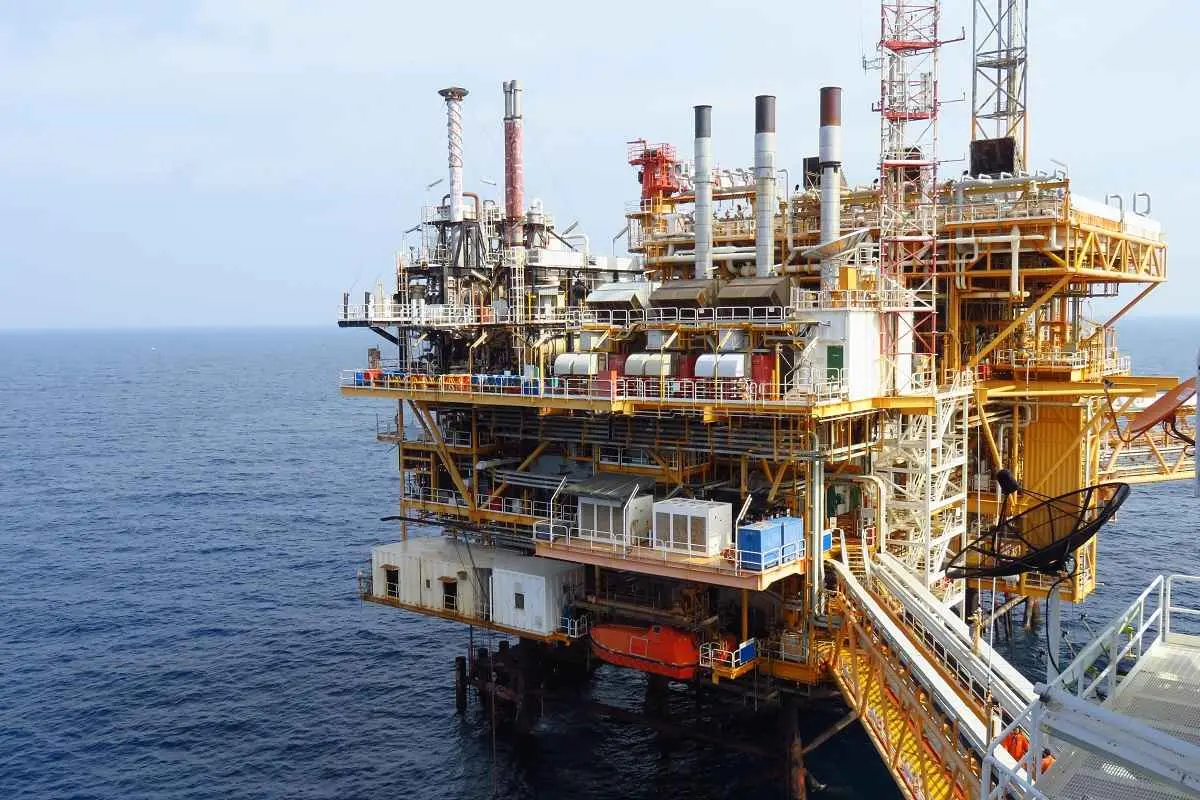
Safety is Always the First Priority
Offshore work is high-risk and safety-driven. Never compromise on training, PPE usage or procedures. Choose employers and agencies that follow strong safety culture and international standards.
Ready to Explore Offshore Oil Rig Jobs?
Start by browsing current offshore vacancies or submit your CV to trusted recruiters listed on JobOnShip.